Best AI UGC Video Platforms for Startups
Soldy Team·July 20, 2026·7 min read
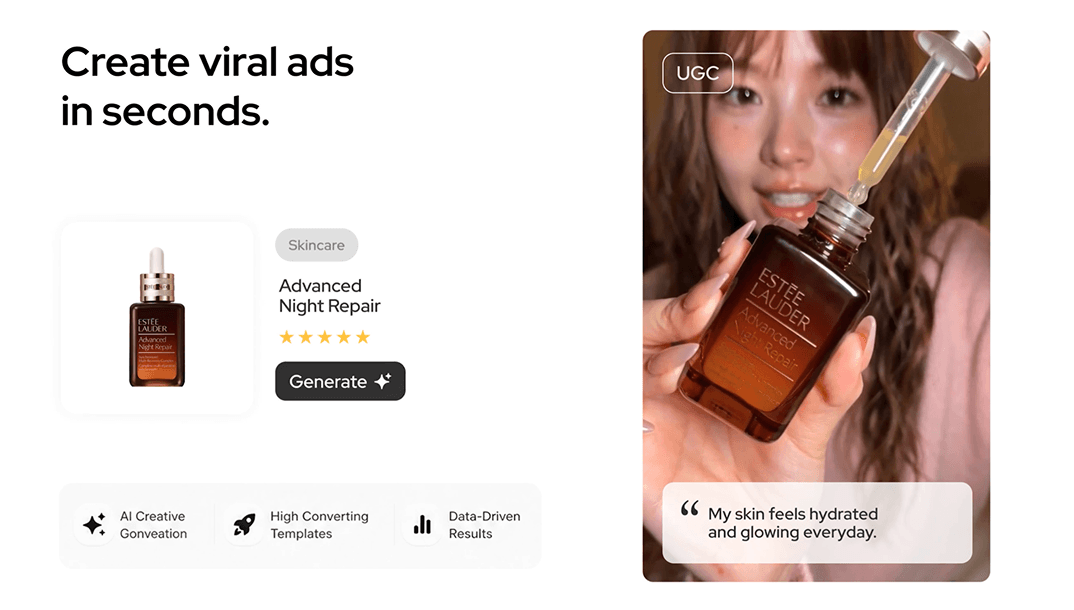
Startups do not need the fanciest UGC platform first. They need a fast way to learn which product promise gets attention, which proof feels believable, and which message deserves more spend.
AI UGC video platforms for startups help small teams create creator-style product ads without building a full production pipeline. The best platform for a startup is usually the one that turns a real product, offer, or landing page into testable creative quickly.
Quick Pick
| Startup stage | Tools to compare |
|---|---|
| Pre-seed or early validation | Soldy Marketing Studio, Creatify, InVideo AI |
| First paid social tests | Soldy Marketing Studio, Creatify, Arcads, Topview AI |
| Founder-led or explainer ads | HeyGen, Synthesia, Arcads |
| Fast edits and captions | Captions, VEED |
| Multilingual expansion | HeyGen, Synthesia, ElevenLabs |
The startup question is not "which tool has the most features?" It is "which tool helps us learn before we run out of time or budget?"
What Startups Should Optimize For
Startups need different evaluation criteria from mature teams:
- low setup effort
- product clarity
- short path from idea to launchable asset
- affordable variant production
- easy revision
- clear rights for paid ads
- formats for TikTok, Meta, YouTube Shorts, and landing pages
- output that teaches something after launch
The cheapest tool is not always the best startup tool. A cheap tool that produces unclear product ads can waste media budget and delay learning.
Startup Platform Comparison
| Platform | Startup fit | Best use | Main risk |
|---|---|---|---|
| Soldy Marketing Studio | Product-led startup ads | Product photos, UGC modes, short commercial variants | Needs a clear product promise |
| Creatify | Product-to-video ad generation | Product URL or asset-driven ecommerce ads | Claims need review |
| Arcads | AI actor UGC | Talking-head hook testing and founder-style alternatives | Product can become secondary |
| HeyGen | Avatar and localization | Founder messages, spokesperson explainers, multilingual ads | May feel too polished for raw UGC |
| Topview AI | AI marketing video creation | Product URL, reference, and script-based video concepts | Verify product detail accuracy |
| Captions | Short-form editing | Captions, cuts, creator polish | Needs an existing idea |
| VEED | Lightweight editing | Subtitles, repurposing, simple video finishing | Not a full ad learning system |
| InVideo AI | Broad video drafts | Prompt or script-based ad concepts | Less product-specific without strong input |
Best by Startup Use Case
DTC product validation
Start with product-led tools. A DTC startup needs to know whether the product promise is clear, whether the proof is believable, and whether buyers click through. Soldy and Creatify are relevant because the product is the anchor.
SaaS explainer ads
For software, an avatar or founder-style explainer can work if the workflow pain is clear. HeyGen, Synthesia, and Arcads can help communicate the problem, but the ad should still show screen proof or workflow improvement.
Budget hook testing
If the team only needs to test messaging, Arcads, MakeUGC-style tools, Captions, and InVideo can help create fast variants. Keep the product and CTA constant so the result says something useful.
Landing-page creative
Sometimes the first video does not go into paid ads. It goes onto the homepage, product page, or waitlist page. In that case, polish and product clarity may matter more than raw UGC texture.
What Not to Overbuy
Do not overbuy enterprise avatar features before the product promise is proven. Do not overbuy media automation before the creative works. Do not overbuy editing complexity before the team can write a clear brief.
The startup stack should be simple: one product-led generation tool, one editing layer if needed, and one clear testing habit.
Startup Budget Checklist
Startups should estimate creative cost by learning cycle, not by video. A learning cycle includes the brief, generation, revision, launch, and review. If a tool makes ten videos but only two are launchable, the cost per learning cycle is higher than the plan suggests.
| Budget question | What it reveals |
|---|---|
| How many usable exports are included? | Whether the plan can support weekly tests |
| How much review is required? | The hidden labor cost |
| Can the team revise without new credits? | Whether iteration is affordable |
| Are paid-ad rights clear? | Whether the asset can actually launch |
| Does the tool support the startup's main channel? | Whether output matches the go-to-market motion |
For a startup selling physical goods, a product-led platform may shorten the path from product photo to ad test. For a startup selling software, an avatar or screen-led explainer may be more useful. The budget should follow the creative bottleneck.
First Test Plan
A useful first test is small:
| Variant | Purpose |
|---|---|
| Product-first ad | Tests whether the product promise is clear without much explanation |
| Presenter-led ad | Tests whether a human explanation increases trust |
| Objection-first ad | Tests whether the audience needs reassurance before clicking |
Run those variants against the same landing page and offer. The winner should inform the next creative round. If the product-first ad wins, make more proof variations. If the presenter-led ad wins, test different roles or voices. If the objection-first ad wins, the landing page may also need stronger proof.
Channel Fit for Startups
Startups often reuse the same creative everywhere because the team is small. That is understandable, but it hides useful differences between channels.
| Channel | What the UGC platform should support |
|---|---|
| TikTok and Reels | Fast opening, native pacing, captions, vertical output |
| Meta feed and Stories | Product clarity, offer match, multiple aspect ratios |
| YouTube Shorts | Stronger retention structure and clear product payoff |
| Landing page | More context, calmer pacing, tighter connection to the page claim |
| Investor or sales demos | Polished explanation and product credibility |
The same tool can support several channels, but the creative should not be identical. A raw UGC hook may work on TikTok and feel too abrupt on a landing page. A polished avatar explainer may work on the site and feel too slow in a feed. The startup should choose a platform that can produce channel-specific variants without forcing a new workflow every time.
FAQ
What is the best AI UGC video platform for startups?
For product-led startups, compare Soldy Marketing Studio, Creatify, and Topview AI. For presenter-led ads, compare Arcads, HeyGen, and Synthesia. For editing, compare Captions and VEED.
Are AI UGC videos useful before product-market fit?
Yes, if the startup uses them to test product promises and buyer objections. They are less useful if the team treats them as polished brand content without a hypothesis.
Should startups use AI avatars or product videos first?
If the product needs visual proof, start with product videos. If the product needs explanation or trust, test avatar-led variants against product-first variants.
How many UGC video variants should a startup make?
Start with a small set around one claim or audience. Too many unrelated variants make the learning harder to interpret.
Can startups use AI UGC videos in paid ads?
Often yes, but the team should check product claims, commercial usage rights, platform policies, and destination-page consistency before launch.
Final Take
For startups, the best AI UGC platform is the one that produces learning fastest. If the product proof is central, start with Soldy Marketing Studio. If the presenter message is central, compare avatar and AI actor tools with the same brief.
Ready to Create with Marketing Studio?
Drop a link, photo, or PDF — get a cinematic video ad in minutes.
Generate My First Ad